As we age and become contributors to society, we tend to grow in wisdom and understanding. That’s the goal. Certainly no one wants to lose the knowledge and wisdom acquired in life. Perhaps that’s why we tend to wince just a little at that thought of wisdom teeth removal.
While our wisdom isn’t stored in our back molars, the thought of having them removed can still be intimidating. It is a surgery after all, and if you don’t know what to expect, anxiety can creep in. However, wisdom teeth removal can minimize other dental problems down the line, and if you know what to expect, the process isn’t as scary.
What Are The Wisdom Teeth
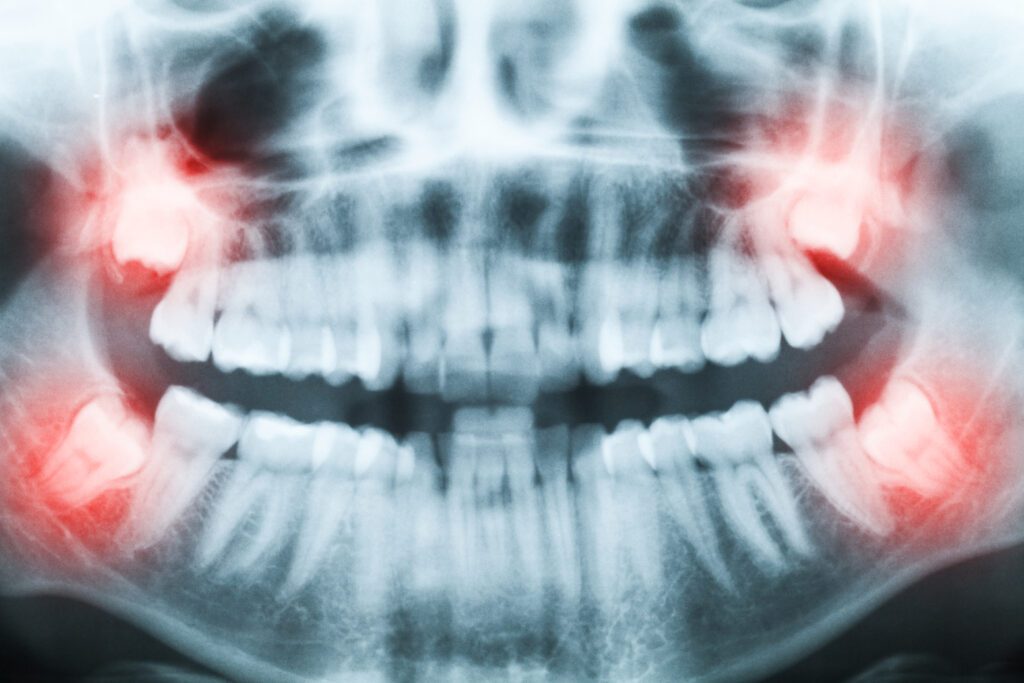
“Wisdom tooth” is the nickname given to each of the third molars, the last of the permanent teeth to grow in. They appear in the back of the mouth usually between the ages of 17 and 25, though some never erupt above the gums (more on that later). A little discomfort is normal when they emerge, and when they come through properly, wisdom teeth are helpful for chewing. However, if they do not, they can cause pain and ruin orthodontic work.
Why Do Wisdom Teeth Need to Be Removed?
Wisdom teeth removal is a surgery, and the number of teeth removed (there are four total) is dependent on how they affect other parts of your smile. If they do not negatively impact your smile’s alignment or cause you pain, you may be fine to keep your wisdom teeth as they are. However, if wisdom teeth do not have enough room to surface, they can cause pain and cramp your other teeth, causing them to shift out of proper alignment.
When this happens, the molars are considered impacted, and it can mean that they are trapped under your gums or within your jaw. Very often a wisdom tooth is impacted because it comes in at an angle, either directly toward the second molar beside it or toward the back of the mouth. Impacted wisdom teeth can also come in perfectly horizontal or correctly vertical without breaching the gum.
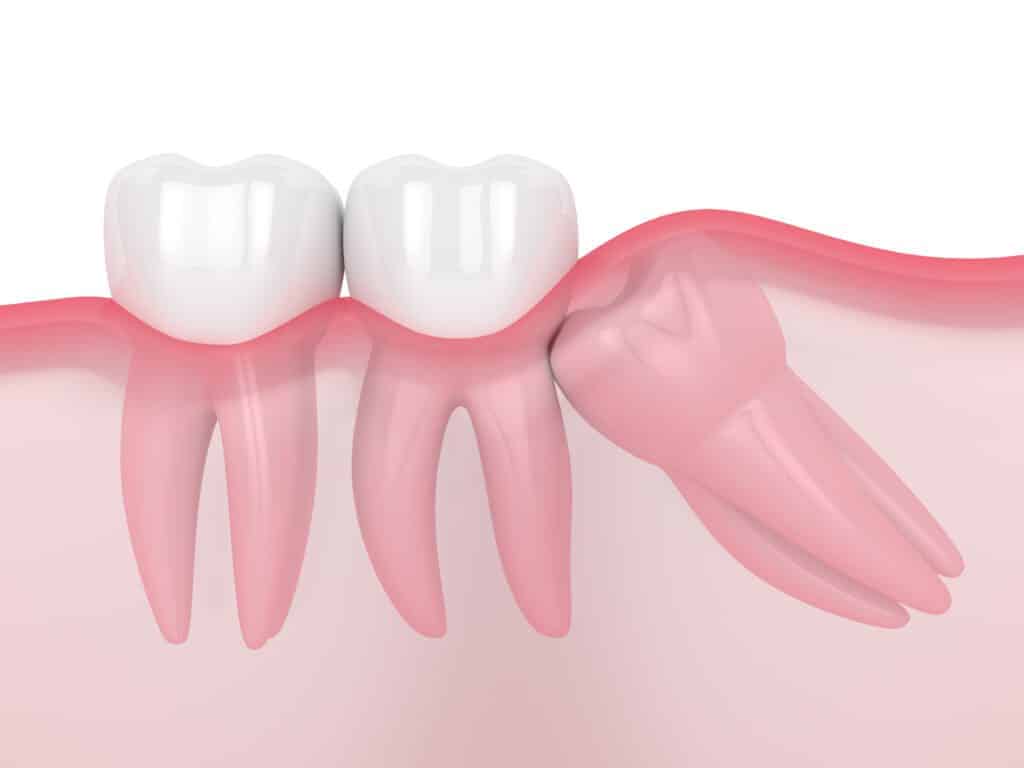
If wisdom teeth do not come correctly, they can trap food and bacteria, which can cause infection. They can also press on the nerves around them or on other teeth. Any of these may cause pain, swelling, or stiffness in the jaw. More dramatically, misbehaving molars can damage the roots of nearby teeth or even the jawbone. Cysts or tumors in the region of the third molars can also be a reason to have them removed.
If you have pain in the back of your jaw (or anywhere in your mouth), contact your dentist immediately. Your dentist may recommend that it is time to say goodbye to your wisdom teeth, especially in preparation for or to maintain the work of braces or other dental care. With access to X-rays of your teeth and jaw, your dentist can work with you to discuss the best solution for your wisdom teeth.
What to Expect From Wisdom Teeth Removal
Wisdom teeth can be removed by a dentist or oral surgeon. As mentioned before, your dentist will work with you to determine which of your wisdom teeth need to be removed. Your dentist will also have directions specific to you on how to care for your mouth after the surgery. These are some general suggestions.
Before
Once your dentist recommends wisdom teeth removal, there are several things you should do to prepare. Schedule the surgery, and be sure to make arrangements for transportation to and from the office, since the surgery is performed under anesthetic and most people are not fit to drive for many hours after the procedure. Be sure to ask your dentist if there are any foods or prescriptions you should not take before the surgery.
During
During the actual wisdom tooth removal, your dentist will administer anesthesia then remove whichever teeth are causing trouble in pieces. The wound is then cleaned and stitched up. Afterwards, patients can expect swelling and bruising that lasts several days.
After
Get plenty of rest immediately after the procedure and avoid strenuous activities for about a week. You will only be able to eat soft foods for a while after the surgery while your mouth recovers. It is critical to drink plenty of water afterwards, but do not use a straw. Be gentle as you brush your teeth in the weeks following the procedure.