
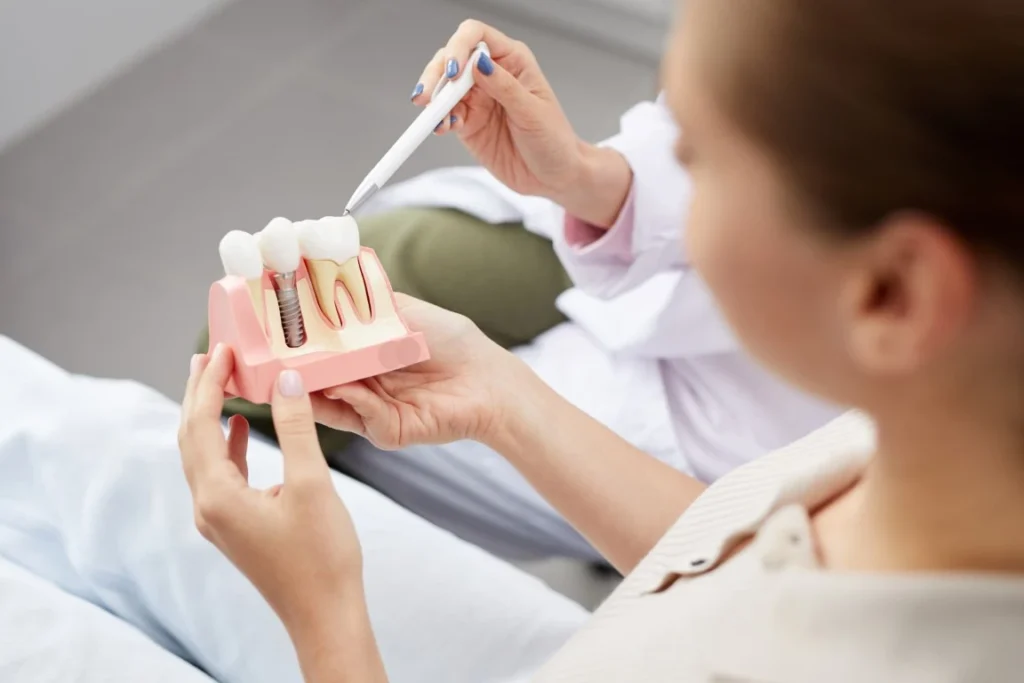
Dental implants are an extraordinary way to transform the appearance and function of your smile, especially if you’ve dealt with smile insecurity in the past. However, without proper care after getting your implants, it isn’t uncommon for you to begin experiencing complications. One of the most extreme complications you can experience is dental implant failure.
While you might think your risk of experiencing dental implant failure is low, improper oral hygiene habits and some lifestyle factors can increase your odds. Whether you’ve just gotten implants or are considering this service, it is essential to know what the common causes of failure are and how to avoid them.
In this blog, we’ll explore these common causes, when you can experience failure, and whether you can get implants again following failure.
When Can You Experience Dental Implant Failure?
There are two common points when an individual can experience dental implant failure. Early implant failure often occurs within months of getting the implant. This early failure most often occurs due to problems that arise during or immediately following surgery. While this is the most common failure, it isn’t your only risk.
Some dental patients will experience late implant failure. When a patient is experiencing late implant failure, this is most commonly caused by changes in their oral health, including advanced periodontal disease or poor oral hygiene habits. However, low bone density, poor bites, and ill-fitting implants may also lead to failure.
If you are experiencing any of the following symptoms, there is a chance that you’re dealing with potential implant failure:
- A loose implant that you cannot bite or chew with
- Increased swelling and redness around the implant
- Numbness and sensitivity of your oral tissue
- Pain that doesn’t go away with medication or time
- Pus or discharge near the implant site
If you suspect you are experiencing dental implant failure, it is crucial to consult a trusted and experienced dental team as soon as possible.
Common Causes of Dental Implant Failure
1. Regular Nicotine Use
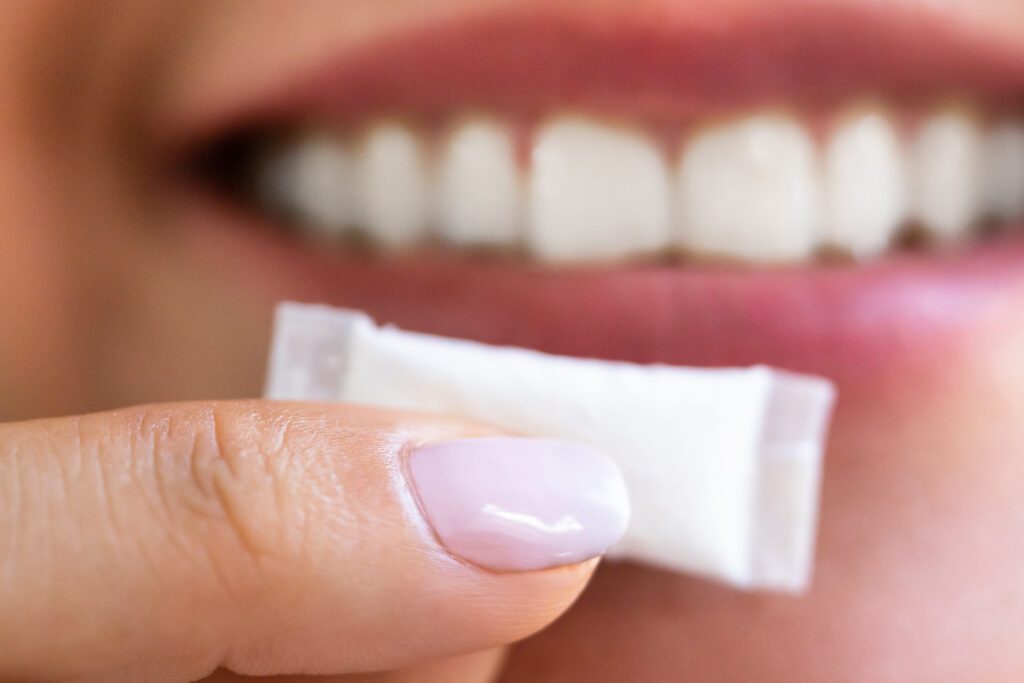
When you get new dental implants, your dental team may warn you about the risks of continuing to use nicotine products, including cigarettes and nicotine pouches. Nicotine is known for hindering your body’s ability to heal, weakening the immune system, and increasing your risk of developing an infection. If you don’t disregard nicotine use after your implant surgery, there is a greater chance of experiencing dental implant failure.
2. Infection
Many dental teams will prescribe an antibiotic after your dental implant surgery. It is essential that you take the entire course of your antibiotic after surgery when your tissue is at the greatest risk of developing an infection. Bacterial infections increase your risk of bone loss around the implant, which can result in dental implant failure if it isn’t addressed as soon as the earliest signs of infection emerge.
3. Poor Bone Quality
Your trusted dental team should perform a thorough inspection and assessment of your jawbone health before your dental implant surgery. Individuals with low bone density may need to undergo a bone graft before proceeding with the process. If you disregard this density and your jawbone is too thin or weak to support the implant, it isn’t uncommon for it to struggle to support the implant, resulting in failure after it is inserted.
4. Oral Trauma
It is of utmost importance to protect your mouth after a dental implant procedure. This means avoiding contact sports, refraining from chewing near the implant location immediately after surgery, and addressing bruxism before your surgery. Even the most minor trauma to the area can damage your jawbone and irritate the delicate tissue, compromising the integrity of the newly inserted implant.

5. Poor Placement
An experienced dental team will know exactly where to place your dental implant to ensure it integrates properly with your jawbone. If you’re working with an inexperienced team, there is a risk that they won’t have sufficient training to properly place your implant. When the implant isn’t positioned properly within your jawbone, there is an increased chance of your experiencing dental implant failure.
6. Medical Conditions
There are a few medical conditions that can increase your risk of experiencing dental implant failure. If you have diabetes, osteoporosis, or an autoimmune disorder, it is crucial that you discuss this with your dental team beforehand. With a complete knowledge of your medical history, they can provide adequate suggestions to ensure you heal properly following your procedure and don’t deal with potential complications.
Can You Get New Implants If You’ve Dealt with Failure?
If you’ve dealt with dental implant failure in the past, you may worry about what this means for your potential for future dental restorations. Before this can occur, your dental team will need to remove the failed implant. From there, they will provide treatment options to help you recover from the cause of your failure.
In some cases, this may simply involve taking a more comprehensive round of antibiotics and removing infected tissue. However, other dental patients may need to undergo bone grafts to help rebuild the foundation for future implants. You’ll need to wait a few months to heal before attempting the placement of a new implant.
Once you’ve healed and undergone any essential follow-up appointments, your dental team can move forward with inserting your new implant. You may need to attend more follow-up appointments after getting your new implant. With expert support from your dental team, you can trust that you’ll avoid further implant failure.
However, not all patients are good candidates for new implants. If you dealt with failure as a result of lifestyle factors, like poor oral hygiene and nicotine use, your dentist will likely recommend addressing these habits before considering another procedure. Individuals who are unwilling to compromise may not be able to safely get new implants.
Delivering High-Quality Implants to Patients in Bismarck
Whether you believe you’re experiencing dental implant failure or are considering getting implants for the first time, our team at Bismarck Advanced Dental & Implants is here to help. For years, we’ve provided high-quality implants to patients across the Bismarck area and beyond. If you’re ready to transform the health and appearance of your smile, you can trust that we’re the right team for you.
When you’re ready to discuss dental implants with our team, don’t hesitate to contact us.