

Dental implants have quickly become one of the most popular and reliable methods for replacing missing teeth. They restore your bite, improve confidence, and protect long-term oral health. While you may want to invest in this dental prosthetic, several factors can impact your healing after the procedure. One overlooked but significant risk is bruxism, or teeth grinding.
Millions of people grind their teeth without even being aware of it. For dental implant patients, teeth grinding can pose major challenges due to the pressure placed on the prosthetic and implant post. Understanding the connection between bruxism and implants is crucial in protecting your investment and maintaining a healthy smile for years to come.
What is Bruxism and Why Does It Matter for Dental Implants?
Bruxism, more commonly known as teeth grinding, is a condition in which an individual repeatedly grinds, gnashes, or clenches their teeth. It can occur during the day or while you are sleeping. In many cases, people don’t even know they are dealing with teeth grinding until other symptoms appear, including jaw pain, headaches, and worn-down, sensitive teeth.
For patients who are considering or already living with dental implants, teeth grinding poses a significant concern. Your implants are designed to be incredibly strong and can withstand most of your everyday habits, including eating, drinking, and talking. However, they don’t have the same shock-absorbing properties that natural teeth do.
That means when excessive force is applied through your teeth grinding, your implants cannot cushion the pressure the way natural teeth can. Over time, this added stress may affect how well your implants bond with the jawbone and how stable they remain once fully healed, which can jeopardize the success of your investment.
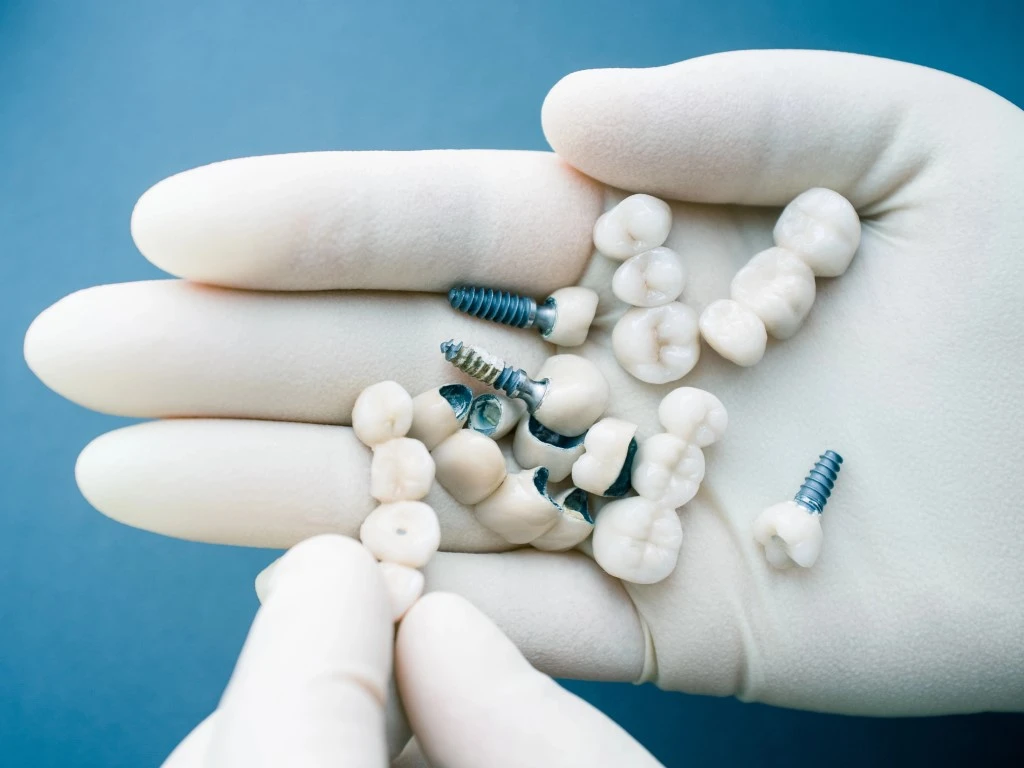
The Hidden Risks of Untreated Bruxism
The danger of bruxism goes beyond simple wear and tear on your implants. For patients with this dental prosthetic, grinding can directly interfere with their healing and the long-term stability of the prosthetic. Some of the hidden risks include:
- Implant Failing During Healing: Teeth grinding can disrupt the process of osseointegration, the process by which the implant fuses with your jawbone. If the implant is subjected to repeated force before it has healed, it may fail to integrate properly.
- Crown and Prosthetic Damage: Even if the implant itself survives the osseointegration process, the constant grinding can chip or crack the crown placed on top of it, leading to the need for premature replacement.
- Bone Loss Around Implant: Excessive pressure from bruxism can lead to micromovements in the implant. As it begins to shift, you may start to experience bone resorption, which compromises your ability to maintain the implant.
- TMJ Strain: Patients who grind their teeth often experience jaw joint issues, which can further complicate the comfort of your implant and make it difficult to eat, drink, and speak throughout the day.
Protective Solutions: Night Guards and Other Preventive Measures
If you are dealing with bruxism, this doesn’t automatically disqualify you from getting dental implants. With the right treatment strategies, you can successfully manage your grinding and protect your dental prosthetic. Some of the most common solutions for repeated teeth grinding include:
- Custom Night Guard: These dental appliances create a barrier between your teeth when you sleep, reducing the direct force applied to your implants. A properly fitted night guard can significantly extend the life of your natural teeth and implants.
- Stress Management Techniques: Since stress is one of the most common triggers of teeth grinding, relaxation exercises, meditation, and therapy may be helpful in minimizing your clenching and grinding habits.
- Botox Therapy: In some cases, Botox can be injected into the jaw muscles, which can reduce the intensity of bruxism by limiting muscle overactivity.
- Bite Adjustments: your dental team may recommend minor reshaping of your natural teeth or adjustments to implant restorations to create a more balanced bite, distributing pressure evenly.

These preventive measures don’t eliminate bruxism entirely, but can dramatically reduce the risk of implant complications or failure. The key to success is early intervention. Addressing teeth grinding before and after implant surgery helps ensure the best possible outcome.
Managing Your Teeth Grinding After Implant Placement
Dental implants are designed to last decades, but their longevity depends on proper care. For patients with bruxism, this means adopting a proactive approach to long-term management. Some of the best ways to manage your teeth grinding and protect your dental implants include:
- Regular Dental Checkups: Routine dental visits allow your team to monitor both implant stability and signs of ongoing bruxism. Early detection of wear can prevent bigger issues down the road.
- Updating Night Guards: Night guards can wear out over time. It is essential to schedule appointments with your dental team to replace or refit your night guard, ensuring it provides continuous protection against grinding damage.
- Healthy Habits: In addition to dental care, it is essential to avoid bad habits such as chewing on hard objects, like ice, and limit caffeine consumption, which can exacerbate grinding. Also, limit alcohol consumption.
- Commitment to Oral Hygiene: Clean implants and gums thoroughly to prevent additional stress from gum disease, which, combined with bruxism, could compromise implant stability.
Patients who actively manage their teeth grinding symptoms often enjoy the same long-term implant success as those without the condition. The difference lies in your awareness and consistency. By prioritizing implant care and teeth grinding, you protect your oral health and maximize the benefits you get from your treatment.
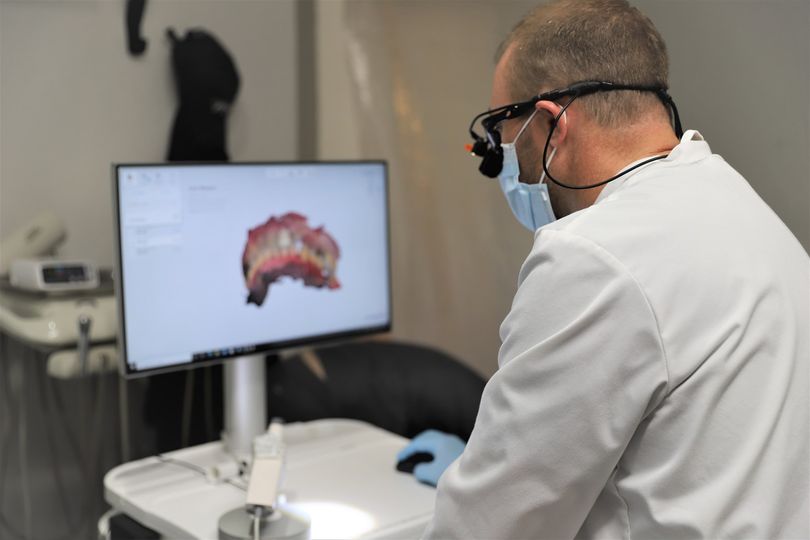
The Best Dental Implants in Bismarck, ND
Bruxism may seem like a minor habit, but for dental implant patients, it can significantly impact the success and longevity of treatment. Whether you’re considering getting dental implants or already have them, it is essential that you work with a well-trained dental team to find the appropriate solution for your teeth grinding.
If you’re looking for a dental team in the Bismarck, ND, area, turn to our team at Bismarck Advanced Dental & Implants. We can assess the severity of your teeth grinding and ensure you’re on the path toward recovery, while ensuring your current or future implants are safe from grinding damage.
When you’re ready to address your bruxism, don’t hesitate to contact our team to schedule an appointment.